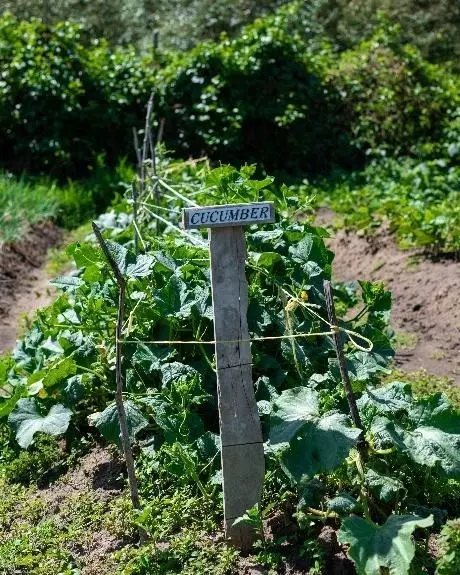
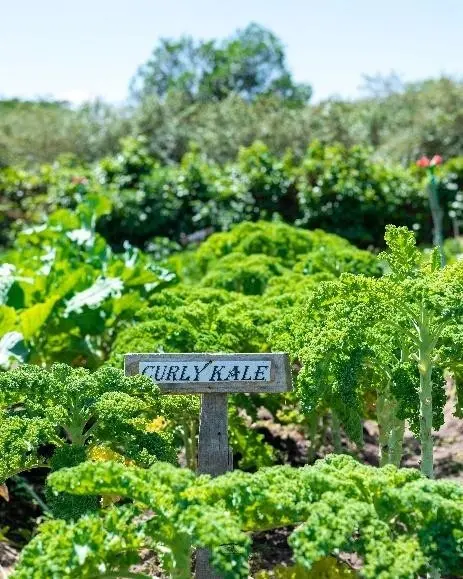
In the heart of the Maasai Mara, between the Naboisho and Nashulai Conservancies, Mtito Safari Camp is proving that sustainability doesn’t always require complex technology. Sometimes the best solutions are already sitting in a drawer, collecting dust.
Under our 360 Mtito concept, every part of camp life is examined for a more sustainable alternative, and our organic garden is where this thinking comes vividly to life. One of our favourite examples? Turning discarded CDs, technology that would otherwise sit in a landfill for decades, into an effective, chemical-free line of defence for our vegetable patches. The Gold Eco-rated camp has found an ingenious way to protect its organic vegetable garden: old compact discs.
The Problem: Protecting Crops Without Harming the Land
Any farmer, whether managing a small kitchen garden or acres of maize, knows that birds and pests can undo weeks of hard work in a single afternoon. The conventional fix is usually chemical: pesticides, repellent sprays, or netting that has to be replaced season after season. But at a safari camp built around conservation values, that approach was never going to sit well with our team. We needed a solution that protected our organic produce without introducing toxins into the soil, the water table, or the food our guests eventually enjoy.
At Mtito Safari Camp, where the kitchen proudly serves farm-to-plate meals grown on-site, protecting the harvest matters. Healthy, chemical-free vegetables are part of the guest experience and part of the camp’s wider commitment to living in harmony with the environment.
The Solution: Old CDs as Garden Guardians
The answer turned out to be sitting in a drawer somewhere on camp. Our team collects old, scratched CDs, ties them onto durable rope, and strings that rope across sturdy wooden stakes planted around the vegetable beds. It is a low-cost, low-tech solution, but it works remarkably well, and it gives new life to an item that would otherwise be discarded as electronic waste.
This is the heart of sustainable farming at Mtito Safari Camp: looking at what already exists on site, whether that is reclaimed materials, natural resources, or simple community know-how, and finding a second purpose for it before reaching for something new.
How It Works: Light, Movement, and Sound
The science behind the method is refreshingly simple. As the CDs sway in the Kenyan sun, their reflective surfaces catch and scatter sunlight, producing sudden flashes and shifting shadows. Birds and other crop-raiding pests find this unpredictable movement disorienting and tend to steer well clear of the area. Add to that the soft, irregular clacking sound the discs make as they knock together, and you get a multi-sensory deterrent that keeps pests guessing without a single drop of pesticide involved.
Because the disturbance is visual and auditory rather than chemical, it is completely safe for pollinators like bees, for the soil microbiome, and for the guests who wander past the garden on their way to breakfast. It is organic pest control in its purest, most literal form: no sprays, no residue, no downside.
More Than Just Crop Protection: Reducing E-Waste
It would be easy to dismiss a string of old CDs as a minor garden hack, but the impact adds up in several important ways:
- Waste Reduction: Electronic waste is one of the fastest-growing waste categories globally, and safari camps in remote locations often have limited recycling Reusing CDs on-site avoids that problem entirely.
- Chemical-Free Farming: Guests staying at Mtito Safari Camp can enjoy vegetables from our organic garden knowing they were grown without synthetic pesticides.
- Cost-Effective Pest Control: Unlike netting or sprays that require ongoing investment, a string of CDs costs nothing beyond the rope and stakes, and it lasts for years.
- Community and Guest Engagement: Visitors touring the garden are often surprised and delighted to learn how something as ordinary as an old CD is protecting their It becomes a talking point, and a small teaching moment about sustainability in action.
Part of the Bigger Mtito 360 Vision
This CD trick is just one thread in a much larger sustainability story at Mtito Safari Camp. Our 360 Mtito concept also drives our investment in solar infrastructure to reduce our reliance on diesel generators, and our ongoing commitment to Maasai-led conservation efforts that protect the wildlife corridors surrounding the camp. Whether it is energy, waste, or wildlife, the same principle applies across the board: look for the solution that works with the land, not against it.
Our organic garden, guarded by its glittering line of recycled CDs, is a small but visible reminder that sustainable tourism does not always require expensive technology or imported solutions. Sometimes it just requires a willingness to look at what you already have differently.
The next time you see an old CD, you might look at it differently. At Mtito Safari Camp, that discarded disc has become a quiet guardian of healthy soil, chemical-free vegetables, and a more circular way of living in the wild.
Experience Sustainable Living at Mtito Safari Camp
If you would like to see our organic garden, our solar-powered facilities, and our broader conservation efforts up close, we would love to host you. Mtito Safari Camp is located near Sekenani Gate, at the edge of the Maasai Mara, offering guests an authentic, environmentally conscious safari experience alongside unforgettable game viewing.
Get in touch to plan your stay:
Phone: 0758 788 134
Email: bookings@mtitosafaricamp.com