Lion
The Masai Mara supports one of Africa’s largest and most studied lion populations. Large prides roam the open plains, and early morning and late afternoon drives yield the best sightings.

There are places on this planet that feel like they belong to a different time. Untouched, unhurried, alive in ways that cities and suburbs have long forgotten. The Masai Mara National Reserve is one of those places.
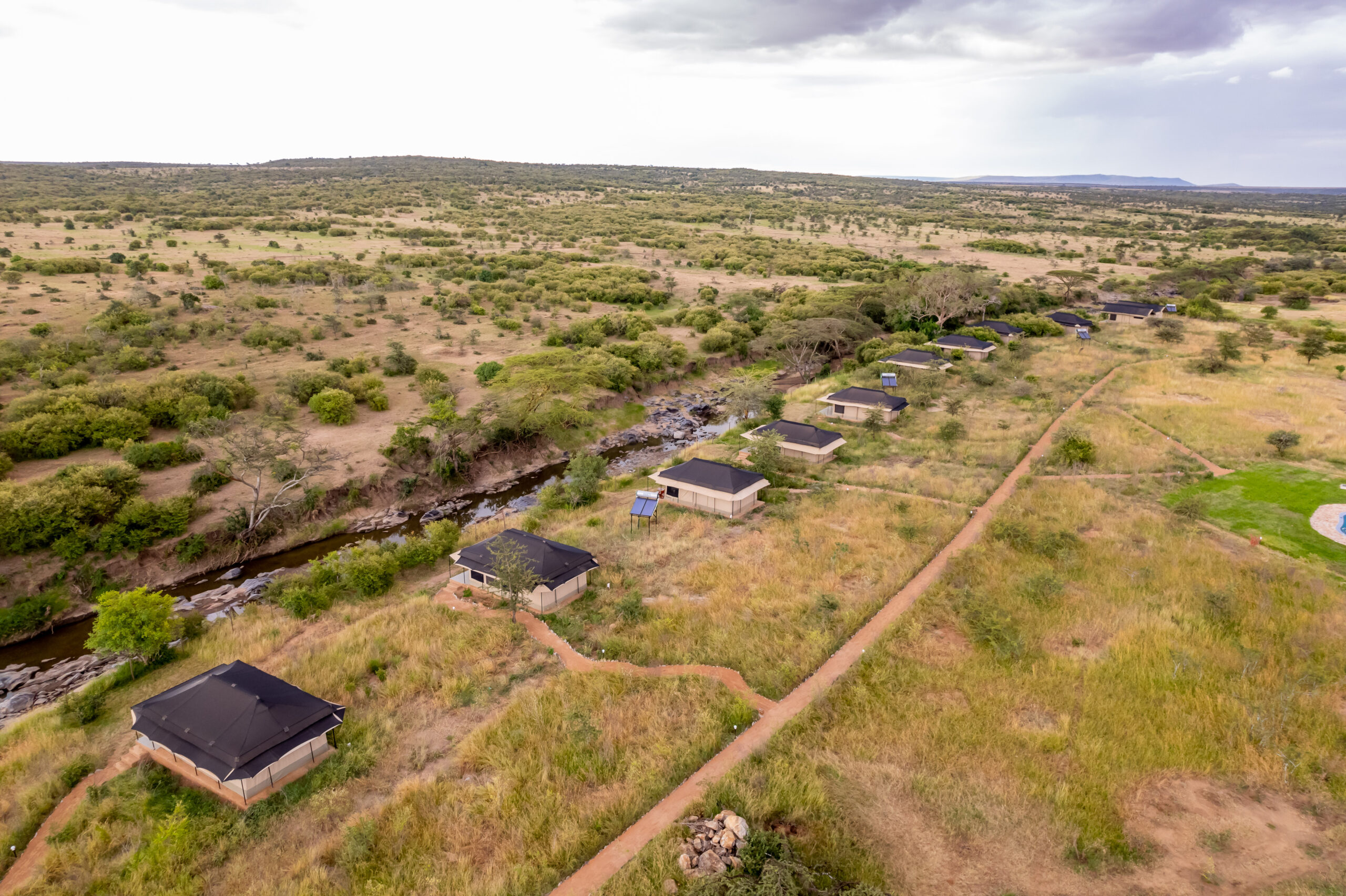
Tucked in the southwestern corner of Kenya, stretching across approximately 1,510 square kilometres of rolling savannah, acacia woodland, and riverine forest, the Mara is not just a game reserve. It is an entire world unto itself.
Whether you are a first-time safari-goer following the call of Africa for the very first time, or a seasoned traveller returning for what feels like the hundredth time, the Masai Mara has a way of stopping you in your tracks. The sheer density of wildlife, the scale of the annual Great Migration, the warmth and culture of the Maasai people, and the sweep of golden grassland stretching to the horizon. All of it combines into an experience that resists easy description.
This guide covers everything you need to know about the Masai Mara: its wildlife, birds, the legendary Great Migration, Maasai culture, safari activities, the best time to visit, how to get there, and where to stay, including the exceptional Mtito Safari Camp, one of the reserve’s most beloved and distinctive properties.
Before we dive deep, here is a snapshot of the essential facts every visitor should know:
| Location | Southwestern Kenya, Narok County, bordering Tanzania’s Serengeti |
|---|---|
| Total Area | 1,510 km² (National Reserve) + surrounding private conservancies |
| Established | 1961 (as a wildlife sanctuary); National Reserve status granted 1974 |
| Altitude | Approximately 1,500 to 2,200 metres above sea level |
| Mammals | Over 95 recorded species |
| Birds | More than 570 recorded species, including 57+ raptors |
| Best Time to Visit | July to October (migration season); January to March (short dry season) |
| Nearest Major City | Nairobi (approx. 250 to 270 km by road; ~45 min by flight) |
| Main Entry Gates | Sekenani, Talek, Ololaimutiek, Musiara, Sand River |
| Park Fees (2024/25) | USD 200 per adult/day (high season, non-resident); USD 50 per child |
The Masai Mara is part of the greater Mara Serengeti ecosystem, one of the most biologically diverse ecosystems on the African continent. Its terrain is nothing short of dramatic: vast open plains that seem to stretch into infinity, gently undulating hills dressed in golden grass during the dry season, dense riverine forests clinging to the banks of the Mara and Talek Rivers, and rocky outcroppings that leopards call home.
The Mara River, which cuts a winding path through the reserve from north to south, is the ecosystem's lifeblood. Its hippo pools teem with activity, its banks are prowled by crocodiles, and during the Great Migration, its crossings become the most dramatic wildlife theatre on earth. The Talek River, a tributary, snakes through the eastern side of the reserve, creating lush corridors of vegetation that attract elephant, buffalo, and countless bird species.
Within the reserve's boundaries, the landscape transitions between distinct zones. The open Mara Triangle in the west, the vast interior plains in the centre, and the more wooded, undulating terrain around the Talek River in the east.
Surrounding the official reserve are an expanding network of private conservancies, including Olare Motorogi, Naboisho, Ol Kinyei, Mara North, and Nashulai, that together more than double the total protected area and offer exclusive, low-density safari experiences.
The Masai Mara is, by any measure, one of the finest wildlife destinations on the planet. It is home to over 95 species of mammals and supports one of the highest concentrations of large predators anywhere in Africa. For visitors, the odds of encountering iconic African wildlife are extraordinarily high. Not just catching a distant glimpse, but genuine, close, unhurried encounters that stay with you for a lifetime.
The term 'Big Five' was originally coined by big-game hunters to describe the five most dangerous animals to hunt on foot. Today, it has become the gold standard of safari bucket lists, and the Masai Mara is one of the few places in Africa where seeing all five in a single visit is not merely possible. It is genuinely likely.
The Masai Mara supports one of Africa’s largest and most studied lion populations. Large prides roam the open plains, and early morning and late afternoon drives yield the best sightings.
Elusive and perfectly camouflaged, leopards are a prized sighting. The riverine forests along the Mara and Talek Rivers are prime territory.
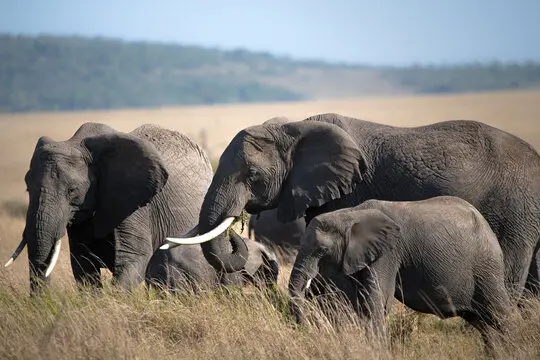
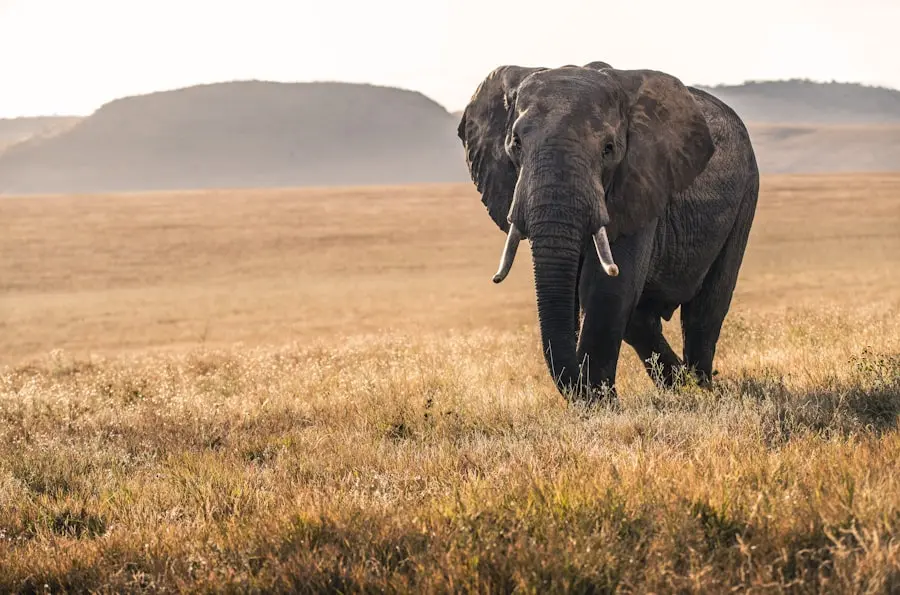
Massive family groups roam the Mara ecosystem, moving between the reserve and neighboring conservancies.
Massive herds of buffalo are a common sight on the Mara plains, especially during the early morning and evening.
Critically endangered, rhinos are the most elusive of the Big Five. Every sighting is rare, special, and unforgettable.

It has been called the world’s greatest wildlife spectacle. The Eighth Wonder of the Natural World. A living, breathing testament to the ancient rhythms of life. Whatever superlatives you reach for, the Great Wildebeest Migration earns them all, and then some.
Every year, more than 1.5 million wildebeest, joined by hundreds of thousands of zebra, Thomson’s gazelle, and eland, undertake a circular journey of approximately 3,000 kilometres through the Serengeti Mara ecosystem. Driven entirely by rainfall patterns and the availability of fresh grass, the migration follows no timetable. Only instinct. The herds move clockwise through Tanzania’s Serengeti and into Kenya’s Masai Mara, before returning south to begin the cycle again.
| January to March | Calving season in the Southern Serengeti. Approximately 8,000 wildebeest calves are born each day. Predator activity is at its peak. The herds remain in Tanzania. |
|---|---|
| April to June | Herds begin moving north and west through the Serengeti. Long rains make some areas lush. The Central Serengeti fills with wildebeest columns. |
| July to August | The vanguard herds arrive in the Masai Mara. The first dramatic Mara River crossings begin. This is peak season, with crocodile ambushes, lion hunts, and the thunder of hooves. |
| September to October | The Mara is at full capacity. Daily river crossings, sometimes multiple per day, are common. October sees the start of the return journey south. |
| November to December | Herds have largely returned to the Serengeti. Short rains refresh the Mara’s grasslands. Excellent general wildlife viewing continues in the reserve. |
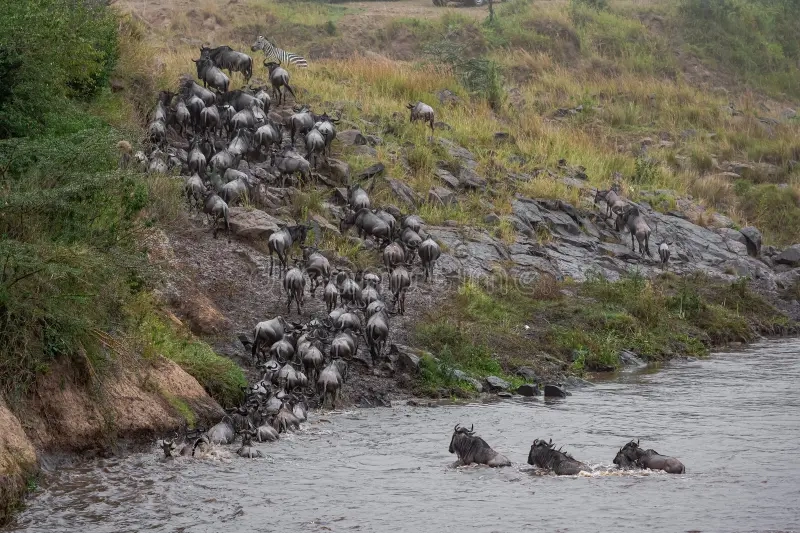
If there is a single defining image of the Great Migration, it is the Mara River crossing. As the herds build on the riverbanks, sometimes waiting for hours, sometimes days, a palpable tension fills the air. Then, as if on a signal that only they can sense, the first wildebeest plunges in. And then thousands follow.
The crossing is chaos and majesty in equal measure. Wildebeest surge through the current, leaping over rocks, stumbling, scrambling. Crocodiles explode from the shallows in ambush. Lions wait on the far bank. It is raw, unfiltered nature. Life and death playing out at a scale and speed that no documentary can fully capture.
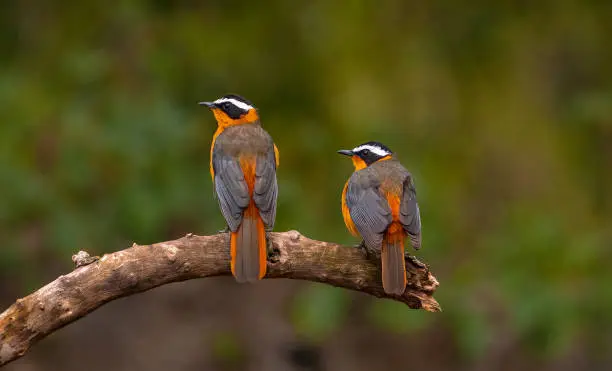
The Masai Mara is, without question, one of Africa's premier birding destinations. With over 570 recorded species, including more than 57 species of raptors alone, the reserve offers extraordinary birdwatching opportunities for every level of enthusiast.
The diversity of habitats within the Mara ecosystem, open grassland, acacia woodland, riverine forest, wetlands, and rocky escarpments, creates ideal conditions for an exceptionally varied avian community. The best birdwatching is generally considered to run from November through April, when resident species are joined by migratory birds arriving from Europe and North Africa in their breeding plumage.
Africa's most photogenic bird, with an extraordinary palette of colours.
Its iconic call is the soundtrack of the Mara's rivers.
A long-legged raptor that stalks grasslands on foot.
The world's heaviest flying bird.
Africa's largest bird and a common sight on the grasslands.
One of Africa's most powerful raptors.
Known by its short tail and distinctive rocking flight.
A turkey-sized bird with a striking red face.
Kenya's elegant and striking national bird.
Found along the Mara River, wading for fish.
Both resident along the Mara River.
The Mara supports a remarkable diversity of essential scavengers.
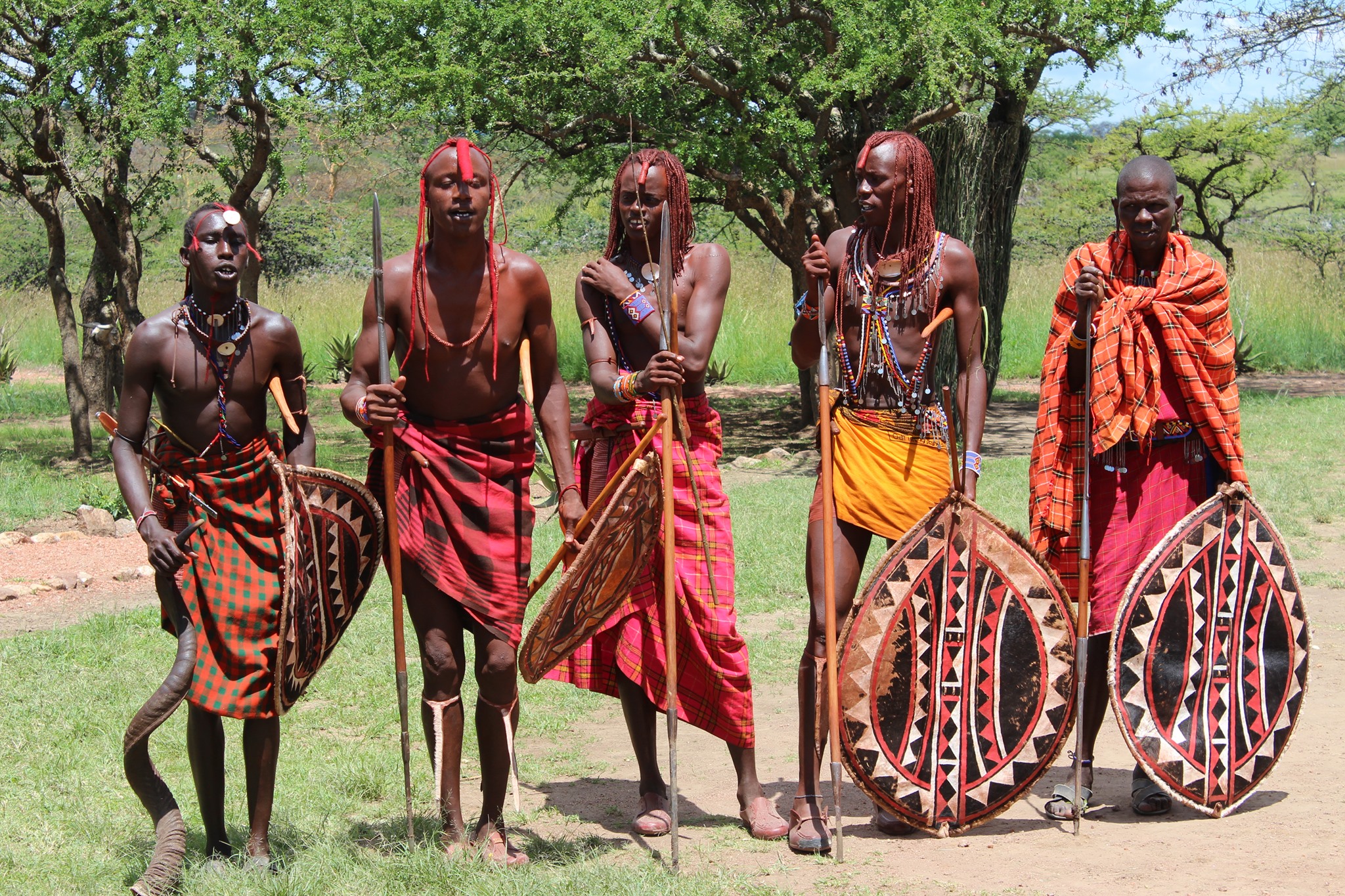
No experience of the Masai Mara is complete without engaging with the Maasai, the semi-nomadic pastoralist people whose ancestral lands encompass the reserve and the surrounding region. The Maasai are one of the most recognizable peoples in East Africa, known for their distinctive red shukas, elaborate beadwork jewelry, tall athletic frames, and extraordinary cultural traditions.
The Maasai have long been far more than neighbors to the wildlife of the Mara. They are its guardians. Their traditional coexistence with lions, elephants, and the other great animals of the savannah has created a culture deeply intertwined with the natural world. Today, the Maasai are actively involved in wildlife conservation through community conservancies, ranger programs, and eco-tourism initiatives.
Young Maasai men undergo a rite of passage that marks their transition from boyhood to warrior status. Warriors are distinguished by their red clothing and role as protectors of the community’s cattle.
A typical Maasai village is a circular enclosure of mud-and-dung homes surrounded by a thorn fence to protect against predators.
The adumu involves warriors competing to jump the highest in a rhythmic, chanted group performance.
Maasai women are master beadworkers. Each colour and pattern carries specific cultural meaning.
For the Maasai, cattle are the measure of wealth, status, and spiritual well-being.
The Maasai have a sophisticated system of traditional medicine using plants found in the savannah ecosystem.

A Masai Mara safari is an active, evolving adventure that offers something new at every turn of the wheel.
Morning and evening game drives in a 4×4, guided by experienced naturalists who know every inch of the terrain.
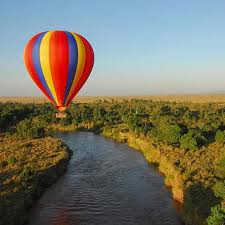
Rise silently into the dawn sky above the Masai Mara, followed by a traditional champagne bush breakfast.
Discover tracks, insects, medicinal plants, birds, and the smaller details of the ecosystem on foot.
Meet village elders, watch the adumu, learn about beadwork, and experience genuine cultural exchange.
Dedicated drives with specialist guides reveal the extraordinary avian diversity of the Mara.
Capture dramatic landscapes, rich culture, and extraordinary wildlife with specialist guidance.
Enjoy a cold drink as the sun melts into the horizon and the Mara settles into its evening rhythm.
The Masai Mara offers superb wildlife viewing throughout the year. Different periods offer distinct highlights:
The Great Migration arrives in force. River crossings, intense predator activity, dry golden landscapes, and unrivalled game viewing.
Shorter grass, excellent visibility, plentiful wildlife, and significantly fewer visitors.
Short rains transform the Mara into a lush landscape. Migratory birds arrive, wildlife remains abundant, and prices drop.
Lowest rates, few visitors, rain-freshened landscapes, exceptional bird activity, and peaceful safari experiences.
Of all the places to rest your head in the Masai Mara, few offer the combination of intimacy, authentic bush atmosphere, and genuine warmth that defines Mtito Safari Camp. Nestled between the Naboisho and Nashulai conservancies along the banks of the beautiful Talek River, just 7 kilometres from the Sekenani Gate, Mtito is a gold eco-rated property.
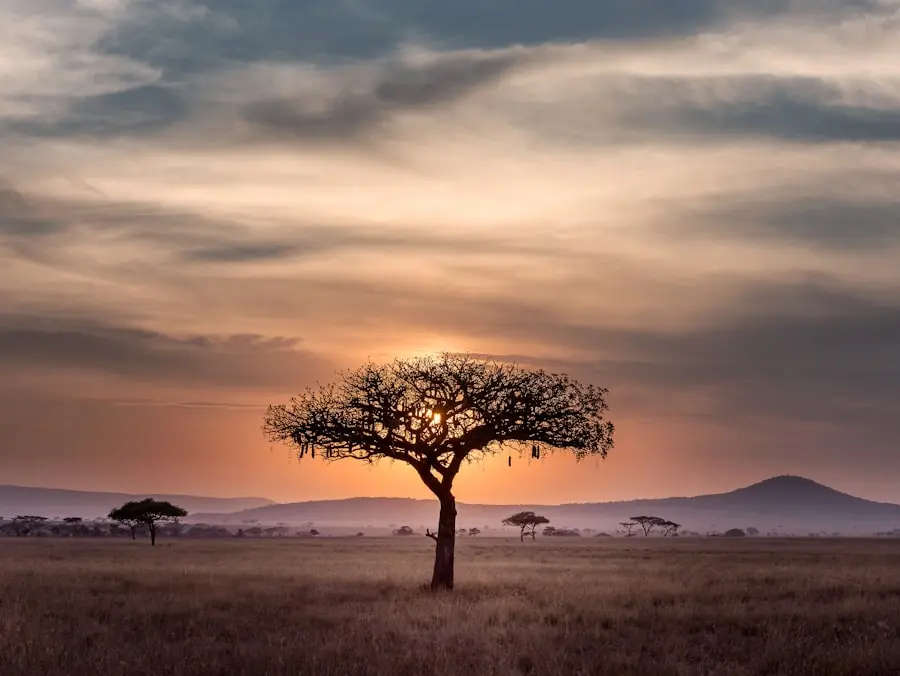
The camp’s setting is outstanding, surrounded by scattered acacia trees, golden grasslands, distant hills, and the crystal-clear flow of the Talek River. The proximity to both the national reserve and the flanking conservancies gives guests the best of all possible safari worlds.
Wildlife at the camp is not a distant prospect. It is an intimate reality. Guests regularly hear lions calling in the night, elephants moving through the acacia groves, and hippos splashing in the river below.
Food at Mtito Safari Camp is a genuine highlight. Much of the produce served is grown in the camp’s own organic garden, including fresh vegetables, herbs, and fruits harvested just metres from the kitchen.
Meals are served both indoors and outdoors. The camp offers classic English breakfasts, picnic lunches for safari, and four-course dinners served under the stars. Bush breakfasts eaten in the field at sunrise are a signature experience.
Evening campfire dinners by the riverbank, with cold drinks and the sounds of the African night, are the perfect way to close any day in the Mara.
Mtito Safari Camp takes its responsibility to the environment and the local community seriously. The camp actively supports local conservation initiatives and engages with community programmes that promote sustainable tourism, ensuring that the benefits of the Mara's tourism economy flow back to the people who have lived alongside the wildlife for generations.
The camp's organic garden reduces its food-miles footprint and ensures guests eat the freshest, most locally sourced meals possible. Every stay at Mtito is a direct contribution to this ongoing conservation and community story.
The Masai Mara faces genuine conservation challenges including habitat fragmentation, human-wildlife conflict, climate change, drought, and poaching. Yet the expansion of private and community conservancies around the core reserve has dramatically extended the total protected area.
Visitors who choose responsible, eco-rated operators contribute directly to this conservation story. Tourism, done well, is one of the most powerful conservation tools available.
The Masai Mara is located approximately 250 to 270 kilometres southwest of Nairobi. There are two main ways to reach the reserve, each with its own appeal.
Scheduled and charter flights operate daily from Nairobi's Wilson Airport to several airstrips within and around the reserve. The flight takes approximately 45 minutes and offers spectacular aerial views of the Rift Valley and Mara plains.
The overland drive from Nairobi takes approximately 5 to 6 hours via Narok town. A 4x4 vehicle is strongly recommended, especially during the wet season.
