
I wasn’t expecting the journey to the Maasai Mara to be almost as spectacular as the destination itself.
About 45 minutes after leaving Nairobi, our driver, Mike, pulled over at a viewpoint overlooking the Great Rift Valley. It was one of those places where nature delivers an epic masterpiece—and humans immediately turn it into a selfie studio.
Tourists were busy striking dramatic poses, perfecting pouting expressions and balancing precariously on rocks in search of the ultimate Instagram shot. After weaving my way past the smokers, selfie sticks and enthusiastic photo directors shouting “One more! One more!”, I finally found a quiet corner.
It was worth the escape to watch one of Earth’s greatest geological wonders.
One learnt that this enormous trench stretches for roughly 6,400 kilometres, running from Lebanon all the way to Mozambique and passing through eleven African countries. Kenya sits right in its heart.
The Kenyan Rift Valley is a spectacular landscape of towering escarpments, ancient volcanoes and shimmering lakes. Among them are Lake Naivasha and Lake Nakuru, whose alkaline waters attract millions of flamingos and countless other bird species. Standing on the edge of the escarpment, the valley seemed to unfold forever, reminding me just how tiny we humans really are—no matter how impressive our selfie angles may be.
But beyond its beauty, the Rift Valley tells a much bigger story. It is one of Africa’s richest ecosystems, supporting wildlife, agriculture, tourism and millions of people. It is also increasingly vulnerable to climate change, population growth, and unsustainable development. Places this extraordinary don’t simply survive on admiration—they survive through careful stewardship.
That lesson became even clearer as we travelled deeper into the Maasai Mara.
Where the Earth Whispers Wild
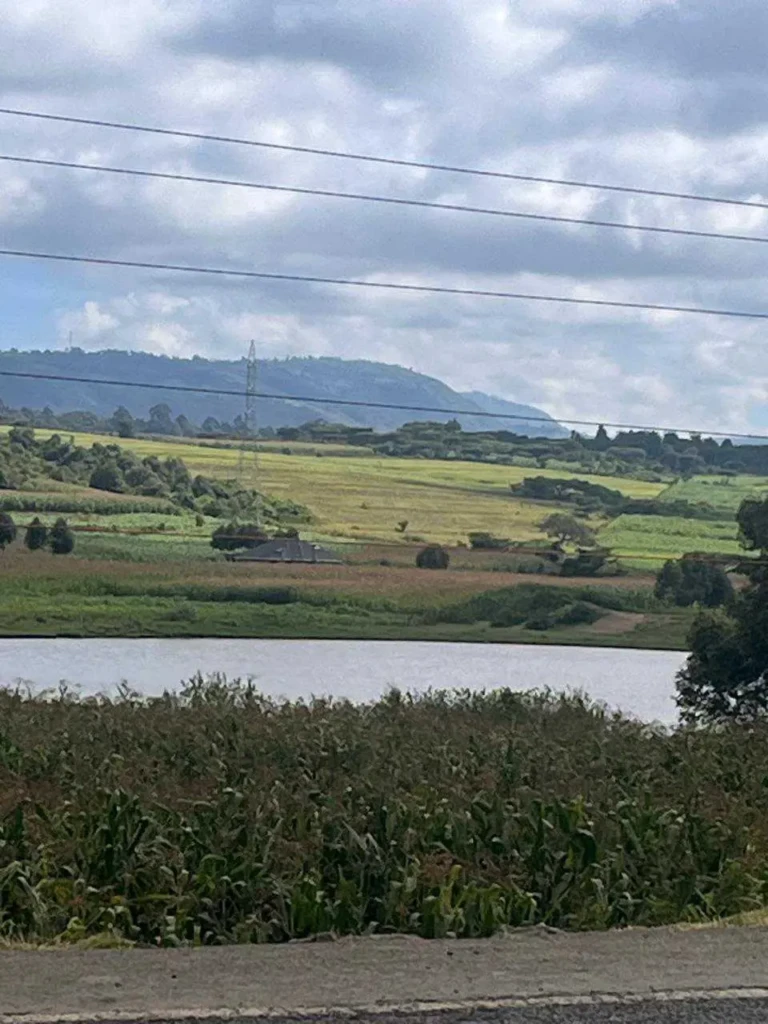
Leaving the Rift Valley behind, we drove through Narok County, one of Kenya’s agricultural heartlands.
In June, the countryside is an endless sea of maize stretching towards the horizon. Roadside stalls overflow with fresh vegetables, almost as if they were politely reminding visitors, “We do grow other things too.”
The region is known as Kenya’s wheat basket, producing barley, sorghum, millet, potatoes, beans, and peas alongside maize. Gradually, however, the landscape began to change.
Croplands faded into open grasslands, and cattle started outnumbering tractors.
Welcome to Maasai country.
Here, livestock is wealth, livelihood, and family pride. The cows, meanwhile, seemed entirely convinced that roads had been built exclusively for their convenience. Every few kilometres, traffic negotiations involved a herd of cattle exercising absolute right of way.
One thing was impossible to ignore.
Water was scarce. Women and children walked long distances carrying yellow containers to collect water—a sobering reminder that even in one of Africa’s most beautiful landscapes, daily life is shaped by the realities of climate, drought and limited resources. Sustainability here isn’t an abstract environmental slogan. It is about survival.
And then, suddenly, there it was. The Maasai Mara.
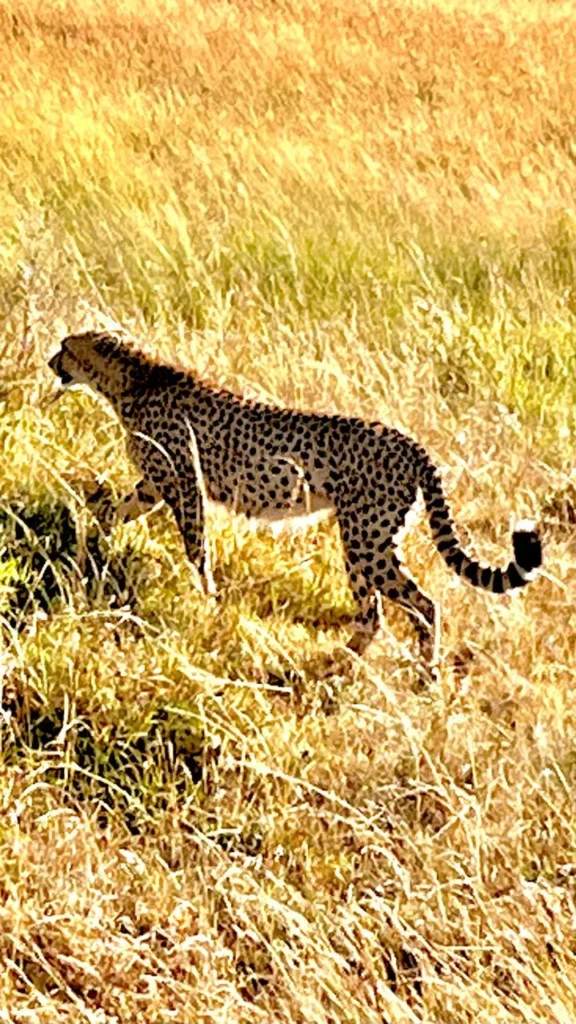
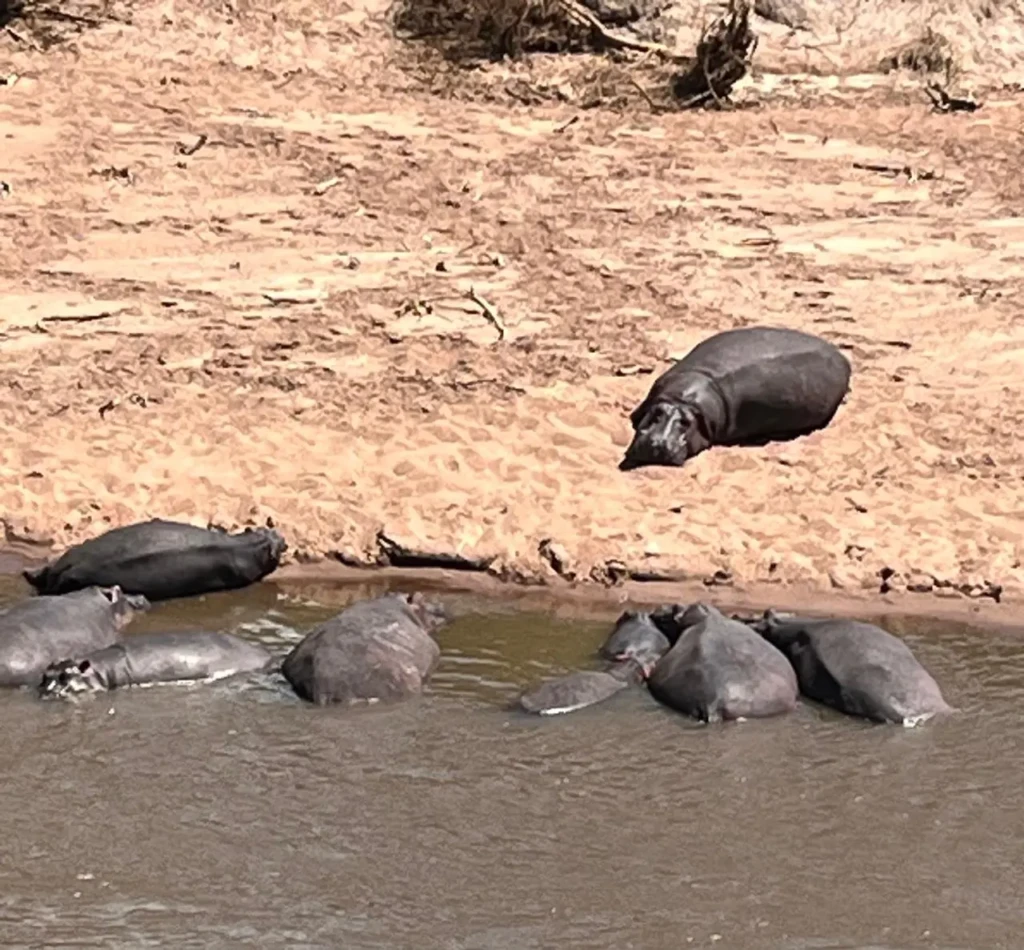
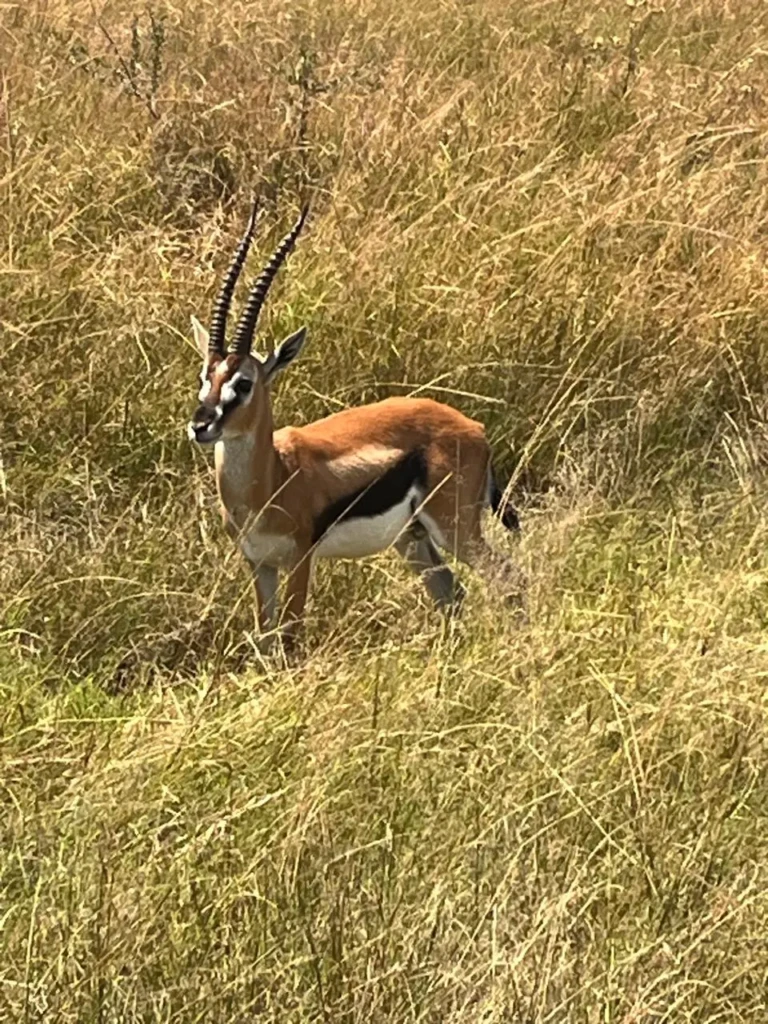
Nature’s Greatest Theatre
Covering 1,510 square kilometres and merging seamlessly with Tanzania’s vast Serengeti, the Maasai Mara feels less like a wildlife reserve and more like nature’s greatest open-air theatre. Although the Serengeti is nearly eight times larger than the Mara, the two ecosystems function as one enormous wilderness. Every year, between July and October, seasonal rains transform the Mara into a lush carpet of fresh grass, drawing more than a million wildebeest, along with hundreds of thousands of zebras and antelopes, across the border in one of the world’s most spectacular wildlife migrations.
The moment our vehicle entered the reserve, every passenger instantly became a wildlife detective. Every bush looked suspicious. Every distant shadow sparked heated debate.
“Is that a lion?”
“No… maybe a rock or an anthill.” “Definitely moving!”
“Nope… still a rock.”
“Look carefully; it has again started moving.”
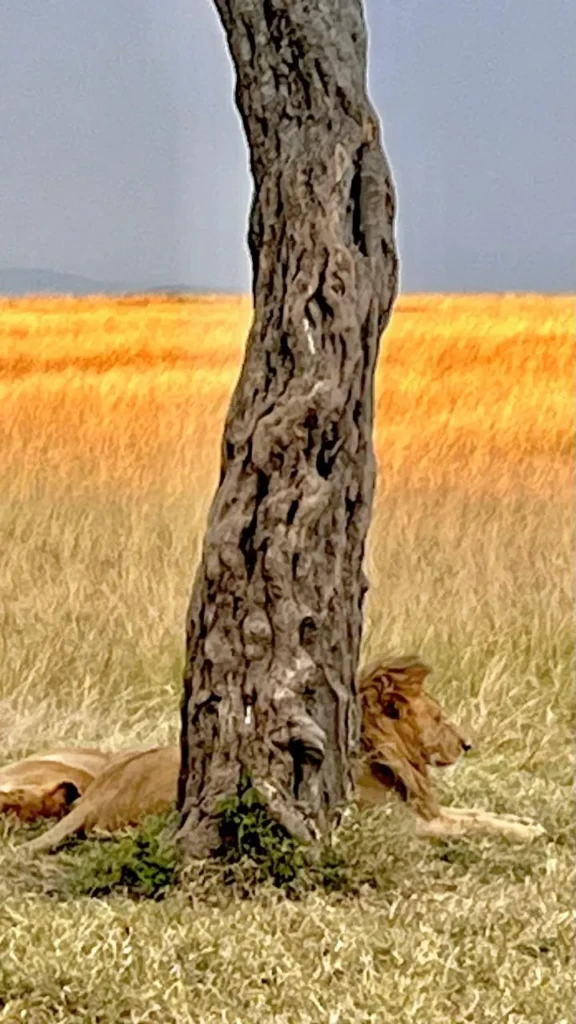
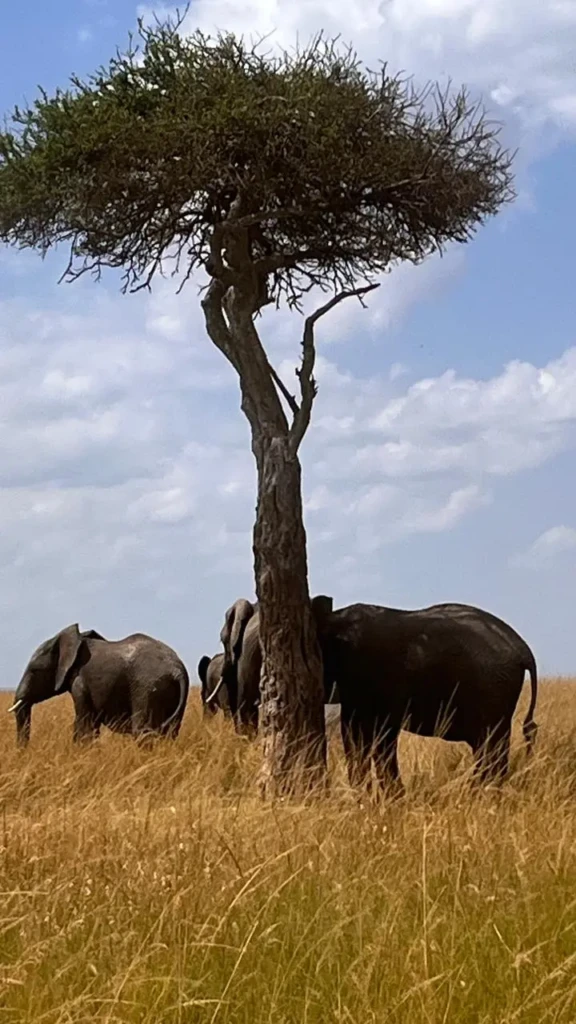
Cameras were switched on, binoculars appeared from nowhere, and fingers hovered permanently over shutter buttons.
Even before reaching the heart of the reserve, wildlife greeted us. Zebras, wildebeest, impalas, gazelles, topis and elegant Maasai giraffes wandered across the plains with complete indifference to our excitement. We, meanwhile, reacted to every sighting as though we had personally discovered the species.
At first glance, the Mara appears deceptively simple—an endless sweep of golden grass beneath an enormous African sky.
But stay awhile, and you begin to notice the intricate connections. The rivers nourish the grass.
The grass feeds the grazers.
The grazers sustain the predators.
Every creature, from termite to lion, plays a role in an ecological rhythm that has evolved over thousands of years.
It is a masterpiece held together by delicate balance.
And that balance is precisely why sustainable tourism and community-led conservation matter so much. Every visitor who respects the landscape, every conservancy that protects migration corridors and every local family that benefits from conservation helps ensure that future generations will witness the same timeless spectacle.
As the sun dipped lower, the savannah turned molten gold. Acacia trees became silhouettes against a blazing sky, and the entire landscape seemed to glow from within.
The Maasai Mara is far more than a wildlife destination.
It is a living reminder that nature’s greatest wonders endure not because they are untouched, but because they are cared for.
Long after the selfies are forgotten, that may be the most lasting memory of all.
Guardians of the Grasslands
A visit to a Maasai village and conversations with community members, along with Mike’s insights, revealed something that guidebooks often overlook: the Maasai have been practising sustainability long before it became a fashionable buzzword.
For generations, these semi-nomadic pastoralists have lived alongside wildlife rather than against it. Their traditional rotational grazing prevents overgrazing, allows grasslands to regenerate naturally, and supports remarkable biodiversity. They harvest natural resources selectively and have learned to share the landscape with predators that many others would see only as threats.
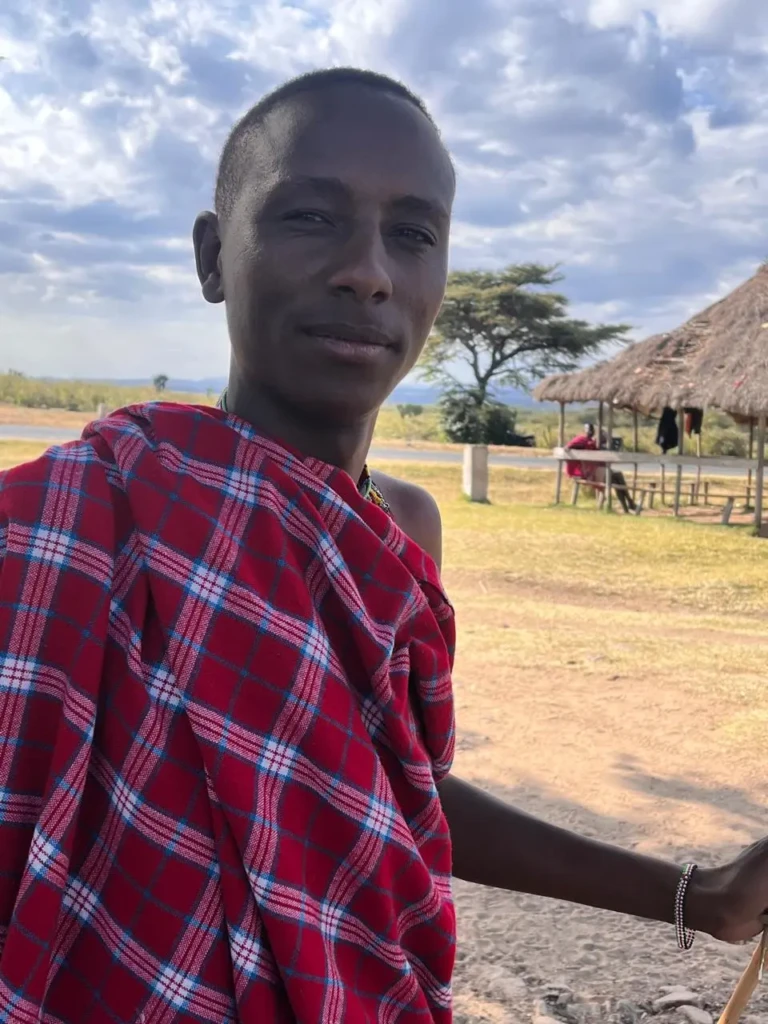
Their relationship with the land isn’t simply economic. It is spiritual, cultural, and deeply personal.
Yet this way of life has faced enormous pressure. Colonial-era national parks, expanding settlements, and commercial development have steadily reduced Maasai access to their ancestral lands.
Instead of abandoning conservation, many Maasai communities have become its strongest champions.
Across the greater Maasai Mara ecosystem, community conservancies now allow families to lease land for conservation while continuing traditional livelihoods. Local people work as wildlife rangers, tourism provides alternative income, and fences are removed so elephants, wildebeest, and countless other animals can once again follow ancient migration routes.
Perhaps the greatest conservation success isn’t simply protecting wildlife. It is recognising that people and nature thrive best together. Increasingly, conservation combines traditional Maasai knowledge with modern science, ensuring communities are partners—not victims—of conservation. The goal is to protect both biodiversity and culture, without turning indigenous people into “conservation refugees.”
Full credit to: Kishore Kumar Singh
Former Senior Regional Skills Adviser at the ILO
