
A safari is an overland journey to observe, photograph, and fall completely in love with wild animals in their natural habitat, most famously across East and Southern Africa. Today the word conjures golden savannahs, roaring lions, and the thrill of watching the Great Migration thunder past. If you’re planning your own Masai Mara safari, understanding where the word and the experience actually came from makes every moment at Mtito Safari Camp even richer.
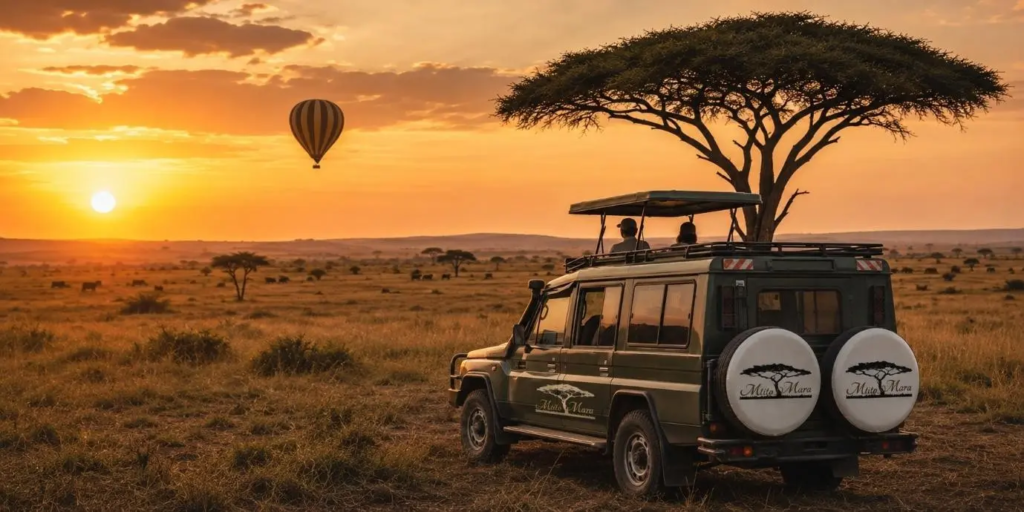
What Is a Safari?
A safari is an overland journey to observe, photograph, or (historically) hunt wild animals in their natural habitats, most commonly across East and Southern Africa. For your next holiday, it’s the closest you’ll come to stepping straight into a nature documentary.
Core Meanings & Evolution
The Linguistic Root
The word safari comes from the Arabic verb safara, meaning “to travel,” and the Swahili word safari, meaning “journey.” Long before it described a holiday, it simply described movement: people, goods, and stories crossing vast distances together.
Historical Meaning
In the 1800s and early 1900s, safari referred to large-scale colonial trade caravans and big-game hunting expeditions, a far cry from the responsible, wildlife-first travel you’ll experience today.
Modern Meaning
Today, safari almost exclusively means eco-tourism, wildlife photography, and conservation-focused travel, exactly the experience waiting for you on a Masai Mara Kenya safari.
Popular Safari Activities
- Game Drives: explore national parks in open-top 4×4 vehicles, tracking the legendary Big Five (lion, leopard, elephant, rhino, and buffalo) on a classic Masai Mara game drive.
- Walking Safaris: guided foot treks through the bush, built around tracking skills, plants, and the smaller wildlife most vehicles drive straight past.
- Alternative Safaris: rise above it all in a hot air balloon, drift down a river, or settle into a photographic hide for a completely different angle on the wild.
However you choose to explore, a well-planned itinerary is what turns a good trip into an unforgettable one. Browse Mtito Safari Camp’s safari packages to start planning yours.
How Was Safari Started?
Step 1: It Started as a Work Trip (1700s–1800s)
Long ago, a safari wasn’t a holiday at all. It was simply the Swahili word for a long journey. Arab and African merchants walked hundreds of miles into the bush for business, travelling in huge caravans to trade ivory, gold, and cloth.
Step 2: European Explorers Copied Them (Mid-1800s)
When British explorers arrived in Africa to map the land and trace its rivers, they didn’t know the way. They hired local traders and guides who already knew the terrain, following the same walking paths deep into the wilderness.
Step 3: It Turned Into a Rich Man’s Hunting Hobby (Late 1800s)
Once Europeans took control of East Africa, wealthy travellers from Europe and America began arriving purely for leisure, this time to shoot lions and elephants and bring the heads home as trophies. These expeditions were extravagant, built on huge support teams:
The “White Hunter”: a hired European guide who led the group, managed logistics, and kept clients safe.
The Porters: dozens of local African men who carried everything on foot, from canvas tents and luxury beds to crates of imported wine.
Step 4: A US President Made It Famous (1909)
In 1909, US President Theodore Roosevelt led a massive, heavily publicised hunting expedition to Africa. Newspapers worldwide covered every detail, and almost overnight, safari shifted from a rare, elite expedition into a global travel phenomenon, the same fascination that still draws travellers to a Kenya safari holiday today.
The Meaning of Safari, Simplified
In simple terms, safari means a trip or holiday to see wild animals in nature. Here’s how that meaning evolved:
1. The Language Roots
It began with the Arabic safara, “to travel.” East African traders adopted it into Swahili as safari, meaning simply “a journey” or “a trip.” To a Swahili speaker, even a trip to the market was a safari.
2. The Hunting Era Meaning
In the late 1800s, European visitors took the word for themselves. To them, a safari meant a long, expensive big-game hunting trip into the wild.
3. The Modern Meaning
Today, that meaning has flipped entirely. A safari is a holiday centred on wildlife viewing and conservation: cameras replacing guns, and genuine appreciation replacing conquest. It’s the meaning you’ll live out on every Masai Mara safari with Mtito Safari Camp.
The Evolution of Safari Accommodation
1. Camping Safari (The Early Days)
Mobile camps of heavy canvas tents pitched directly on the ground. In the early 1900s, these camps moved every few days to follow wild animals, with teams of local workers taking tents down and rebuilding at each new stop by hand. Rough and adventurous, just campfires and bucket showers, with no running water.
2. Safari Lodges (The Move to Brick and Mortar)
Permanent hotels built inside national parks from the 1930s to 1950s. As air travel made Africa accessible, builders replaced canvas with stone, concrete, and wood, offering the safe, comfortable feel of a standard hotel, complete with glass windows, real beds, and swimming pools.
3. Luxury Safari Camps (The Glamour Era)
A blend of old-school camping romance and five-star comfort, known as “glamping.” Instead of sitting on bare earth, canvas tents were raised onto permanent wooden decks and left in place. Guests enjoyed private en-suite bathrooms, hot running water, plunge pools, gourmet chefs, and personal butler service, all while still sleeping beneath a canvas roof.
4. Modern-Day Safari (The Experience Today)
High-tech, varied, and built entirely around the experience rather than simply sitting in a car. Today’s safaris include walking tours, hot air balloons, night drives, and quiet riverboats. The vibe is connected and customised: solar-powered Wi-Fi, Vehicles designed for photography, with quiet operation that minimises disturbance to wildlife. This is exactly the approach Mtito Safari Camp takes to modern, responsible travel.
The Green Shift: Evolution to Eco-Friendly Camps
As global warming and habitat loss became urgent concerns, the top luxury safari camps had to change how they operated, shifting from heavy luxury to genuinely “leave-no-trace” setups:
- Solar Power: noisy, polluting diesel generators have been replaced with solar panels for lighting, refrigeration, and hot water.
- No Plastic: single-use plastic water bottles are banned. Camps filter their own water on-site and issue guests reusable metal flasks, the same plastic-free commitment you’ll find at Mtito Safari Camp.
- Smart Building: tents are raised on wooden platforms that can be fully removed, leaving the land exactly as it was found.
- Community Partnerships: camps lease land directly from local communities, including the Maasai, channelling tourism revenue into schools, water wells, and hospitals, the same spirit behind Mtito Safari Camp’s community support
Farm-to-Plate Dining: many camps now grow their own vegetables organically, cutting down on imported supplies and putting fresher, healthier meals on the table, the same philosophy behind Mtito Safari Camp’s organic garden.
The Problem of "Mushrooming" Camps
Because safari tourism generates significant revenue, thousands of operators are rushing to build new camps as quickly as possible. This uncontrolled building, known as “mushrooming,” is putting real pressure on wildlife areas:
- Fake Green Labels: many new camps brand themselves “eco-lodges” purely for marketing, while dumping raw sewage into rivers and burning charcoal.
- Blocking Wildlife Roads: buildings crowded along park borders block the migratory corridors elephants and wildebeest depend on for food and water.
- Crowding and Noise: too many camps mean too many vehicles on dirt roads, creating traffic jams around animals and disrupting their natural behaviour.
- Stealing Resources: large camps draw heavily on underground water for showers and pools, drying up the water holes local wildlife rely on to survive.
The Path Forward
To protect the wild for future generations, African governments and conservationists are pushing for three key changes:
- Bed Limits: strict caps on how many tourist beds can be built per square
- Independent Checks: mandatory, surprise environmental audits before any lodge can be
- The Conservancy Model: moving tourists out of crowded public parks and into community-managed conservancies, where vehicle numbers and camp sizes are strictly controlled: the very model behind the Masai Mara conservancies surrounding Mtito Safari Camp.
Conclusion: Why Your Safari Choice Matters
The African safari has undergone a remarkable transformation, evolving from its difficult 19th-century roots as a colonial hunting expedition into a modern, multi-million-shilling industry built on wildlife photography and conservation. As accommodation shifted from rugged canvas tents to permanent lodges and eco-conscious luxury camps, the focus turned toward protecting Africa’s most precious ecosystems.
But this progress is now under real threat from the uncontrolled “mushrooming” of commercial camps. Hidden behind fake eco-labels and driven by quick profit, these unregulated properties are destroying wildlife habitats, drying up water tables, and blocking ancient migration corridors. To protect the wild, you can support strict bed-capacity limits, independent eco-audits, and community-owned conservancies with every booking you make. Ultimately, the true success of a safari isn’t measured by the luxury inside the camp. It’s measured by how much of the wild world stays untouched outside it.
Ready to experience a safari built the right way? Book your Masai Mara safari with Mtito Safari Camp today, browse more stories on the blog, or get in touch to start planning your journey into the heart of the Mara.
