
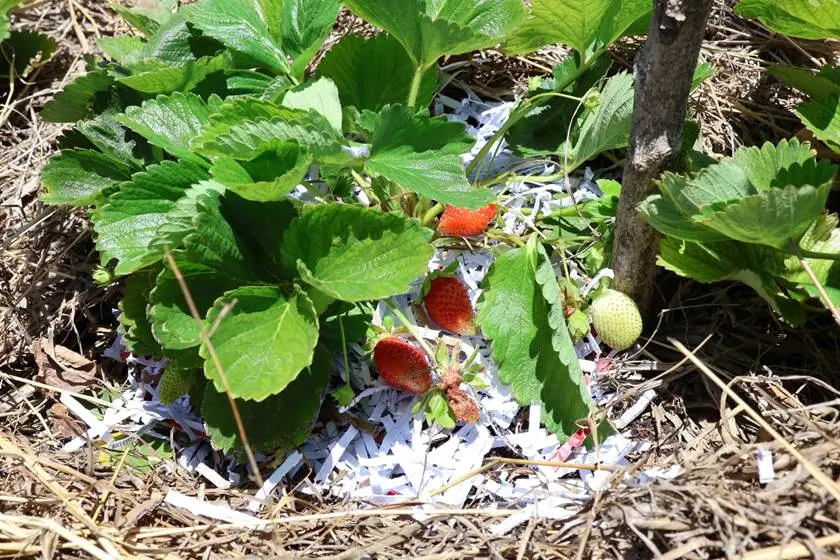
The most sustainable safari experiences don’t start with the game drive. They start behind the scenes. At Mtito Safari Camp, a circular waste system turns safe office paper into rich organic mulch for the camp’s vegetable farm. Instead of heading to a landfill, discarded paperwork conserves water, suppresses weeds and feeds the crops that end up on your plate.
It is a simple idea with a big payoff, and it shows what real sustainable tourism in Kenya looks like in practice. Here is the full step-by-step breakdown of how simple office waste becomes garden gold.
1. Stopping Waste at the Gate: Upstream Sourcing
Minimizing waste begins before supplies even arrive at camp. The camp works closely with its supply chain partners to eliminate single-use plastics from deliveries. Vendors are asked to package camp supplies in unbleached kraft paper or plain cardboard. Because these materials are free from synthetic chemical treatments, they can enter the recycling loop immediately, to be reused or composted on site.
2. The Office Rule: Reuse First, Shred Second
Inside the administrative offices, every sheet of paper is treated as a valuable resource. Printed itineraries, internal schedules and daily memos are never thrown away after a single use. Staff reuse them as draft sheets and scratch notebooks. At the camp, this mostly means:
- Old guest registration forms
- Printed daily safari itineraries
- Internal kitchen stock lists
Only when a sheet has been used on both sides does it move to the farm recycling program. Protecting soil health demands strict sorting, so the team follows a simple checklist to keep contamination at zero.
Safe Papers to Shred
- Matte white printer paper
- Non-glossy office notes
- Plain brown paper bags
- Clean cardboard box inserts
Papers That Never Go to the Farm
- Glossy magazines and shiny brochures
- Wax-coated or plastic-lined papers
- Thermal receipts (they can contain BPA)
- Envelopes with plastic address windows
Good to know: most modern office paper is printed with standard text inks that are commonly soy- or vegetable-based, which is why plain, non-glossy paper is considered safe for soil microorganisms.
3. The Shred and Soak Process
Once the safe paper is separated, it is prepared for the farm in two careful steps.
- The shred: Paper goes through a cross-cut office shredder, which cuts the sheets into thin ribbons. The small size creates a large surface area, so natural decomposers can break it down much faster.
- The soak: Dry shredded paper is never spread straight onto the beds. It blows away in the savanna wind and can mat into a hard, water-repellent crust. Instead, the shreds are soaked in large tubs of water until they form a heavy, damp, interlocking mat.
4. Three Major Benefits of Paper Mulch for an Organic Farm
The farming team carries the wet mulch to the organic garden and spreads it about one inch (2.5 cm) thick around spinach, tomatoes, mint and kitchen herbs. A small gap is left around each plant stem for safety. This paper blanket delivers three major advantages:
- Drastic moisture retention. The mulch shields the soil from intense afternoon heat and sharply reduces evaporation, helping the camp conserve precious water.
- Natural weed suppression. The dense layer blocks sunlight, so weed seeds struggle to germinate. That removes the need for synthetic chemical weedkillers.
- Soil protection. The mulch acts as a cushion against heavy seasonal downpours and stops nutrient-rich topsoil from washing away.
5. The Decomposition Timeline: Turning Back to Earth
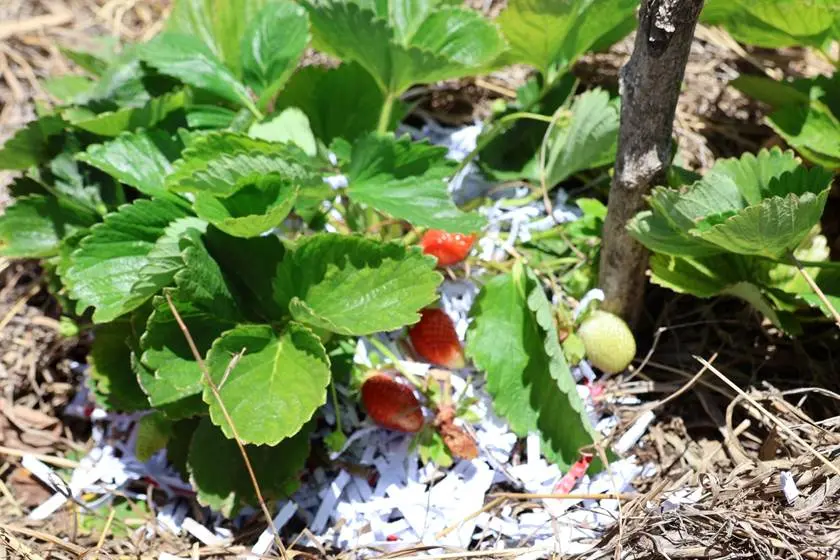
Once the mulch is down, nature takes over. Local earthworms, beneficial fungi and soil bacteria feed on the wet paper ribbons.
- The timeline: In warm, active garden conditions, shredded paper takes roughly 4 to 12 weeks to decompose completely and disappear into the soil.
- The biological result: Because the paper breaks down on the surface instead of being tilled in, it is far less likely to lock up nitrogen in the root zone. The crops stay well fed and healthy.
From Paperwork to Plate: The Farm-to-Table Payoff
By the time the vegetables are harvested for the farm-to-table menu, yesterday’s office paperwork has vanished. It has become rich, dark, fertile humus that fuels the next cycle of life. During the dry season in particular, this system keeps the soil moist, rich and productive.
The lesson is a simple one. True sustainability doesn’t need complex technology. It needs a commitment to see every piece of waste as a new opportunity to protect the environment the camp calls home.
Frequently Asked Questions About Paper Mulch
Is shredded paper good mulch for a vegetable garden? Yes, when it is plain, non-glossy paper. Shredded paper retains moisture, blocks weeds and protects soil, as long as coated, glossy and thermal papers are kept out.
Why soak the paper before using it as mulch? Soaking stops dry shreds from blowing away and forming a water-repellent crust. It also helps the mulch settle into a damp mat that stays in place.
How long does paper mulch take to break down? About 4 to 12 weeks in warm, active garden conditions.
Can paper mulch be used in a dry climate? Yes. In hot, dry conditions it is especially useful because it cuts evaporation and keeps the soil cooler.
Experience Sustainable Safari at Mtito Safari Camp
The paper mulch loop is just one of the ways Mtito Safari Camp protects the Masai Mara, the land and the community around it. The best way to see the difference is to stay.
- Plan your stay at Mtito Safari Campand taste the farm-to-table difference for yourself.
- Explore the camp to see the rooms, experiences and eco-initiatives behind every stay.
- Visit the Mtito Safari Camp website regularly for new stories from the camp, the farm and the Mara.
More sustainability stories from behind the scenes are coming soon. Check back to see what grows next.
