
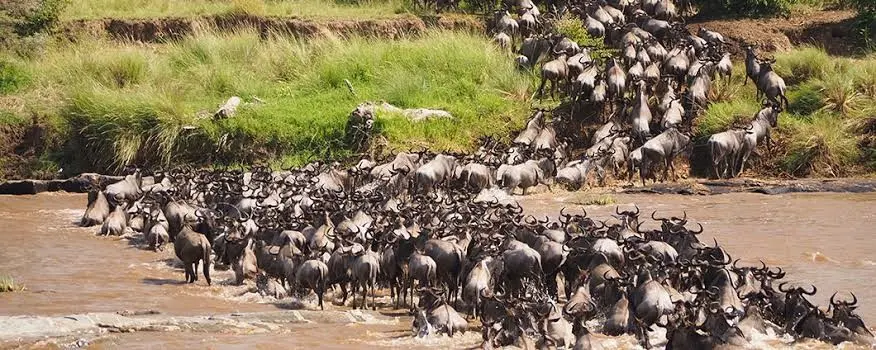
The Masai Mara is one of the most treasured wildlife destinations on Earth, a place where golden savannah stretches to the horizon and the rhythm of the wild sets the pace of every day. At Mtito Safari Camp, nestled between the Naboisho and Nashulai Conservancies near Sekenani Gate, we believe a safari holiday and genuine conservation go hand in hand.
A pristine wilderness depends on a careful balance between tourism, human activity and environmental protection. National parks and conservancies across the Maasai Mara serve as sanctuaries for endangered biodiversity, fragile habitats and complex animal behaviours built up over thousands of years. Left unmanaged, the presence of visitors and camp staff can quietly erode the very wilderness that draws people here in the first place.
This guide sets out the code of conduct we ask every guest, guide and staff member to follow while staying with us. These are not arbitrary rules. Each one is grounded in conservation science and answers a simple question: why does this matter, both to the wildlife and to you as a park user. By following the protocols below, guests help us reduce our footprint, minimise human-wildlife conflict, and preserve the raw beauty of the Mara for the generations who will visit after them.
Why Masai Mara Park Rules Matter
Every guideline in this document exists for a reason rooted in how wildlife behaves and how ecosystems recover, or fail to recover, from disturbance. Understanding the ‘why’ behind each rule turns compliance from an obligation into something guests genuinely want to practise, both here at Mtito and on any Kenya safari they take in future.
Rule 1: Keep Noise to a Minimum
Why It Matters to Wildlife
- Disrupts communication: Noise drowns out vital mating calls, warning signals and mother-offspring vocalisations.
- Triggers stress responses: Unfamiliar, loud sounds raise cortisol levels, inducing panic or causing animals to abandon safe nesting areas.
- Interferes with hunting: Predators such as lions and leopards rely on acute hearing to track prey, and human noise disrupts their hunting success.
Why It Matters to You
- Protects the wilderness experience: Visitors travel to nature to escape urban sound and enjoy the natural soundscape of the Mara.
- Keeps wildlife close: Loud visitors scare animals deep into the bush, ruining game-viewing opportunities for everyone nearby.
- Reduces safety hazards: Noise can startle large mammals like elephants, provoking defensive or aggressive behaviour toward vehicles.
How Mtito Safari Camp Puts This Into Practice
- Nighttime curfews: Strict lights-out and quiet-hours policies are enforced for both guests and staff after 10:00 PM.
- Acoustic design: Our tented camp and staff quarters use natural buffer zones, strategic spacing and canvas materials that absorb sound.
- Staff training: Ground staff follow quiet-whisper protocols during night shifts and run generators only during designated daylight hours.
Rule 2: Stay on Designated Roads and Tracks
Why It Matters to Wildlife
- Prevents habitat destruction: Off-roading crushes micro-habitats, destroys vegetation and compacts soil, preventing plant regrowth.
- Protects denning sites: Many smaller animals and ground-nesting birds shelter near bushes, and off-roading risks crushing their homes or young.
- Preserves natural behaviour: Forcing vehicles into undisturbed territory stresses wildlife and pushes animals out of their natural home ranges.
Why It Matters to You
- Keeps you found: Staying on mapped tracks ensures visitors remain within range of emergency services and Masai Mara National Reserve
- Protects your vehicle: Off-road terrain hides sharp rocks, deep holes and stumps that can strand visitors with a broken axle or a flat tyre.
- Ensures fair viewing: Keeping to tracks maintains an orderly flow of traffic so every visitor has a fair chance to view wildlife safely.
How Mtito Safari Camp Puts This Into Practice
- Strict driver protocols: Our safari guides undergo rigorous training and face penalties for deviating from established park tracks.
- Regulated, low-impact routes: Supply deliveries and staff movements are restricted to a single, well-maintained access road to minimise the camp’s physical footprint.
Rule 3: Never Feed the Wildlife
Why It Matters to Wildlife
- Causes health issues: Human food lacks proper nutrients and often introduces harmful processed sugars, salts and preservatives into animal diets.
- Breeds dependency: Animals lose their natural foraging instincts, becoming reliant on human handouts to survive.
- Creates problem animals: Fed animals associate humans with food, leading to aggressive scavenging behaviour that can end in the animal being euthanised for safety.
Why It Matters to You
- Reduces risk of injury: Animals searching for food may bite, scratch or attack visitors to steal bags, cameras or food wrappers.
- Limits disease transmission: Close contact increases the risk of zoonotic disease transfer between humans and wildlife.
How Mtito Safari Camp Puts This Into Practice
- Animal-proof waste systems: All kitchen and guest waste is stored in heavy-duty, locked, animal-proof bins to prevent scavenging.
- Secure dining spaces: Our riverside restaurant is designed to keep wildlife out, and staff quickly clear away leftover plates and crumbs.
- Guest education: Visitors receive a clear briefing on arrival about the dangers of leaving snacks unattended in tents or vehicles.
Rule 4: Leave No Trace, Do Not Litter
Why It Matters to You
- Preserves the view: Litter disrupts the pristine, untouched aesthetic that makes a Masai Mara safari so memorable.
- Protects your health: Discarded glass can cut visitors, and accumulating waste attracts disease-carrying pests such as rodents and insects to campsites.
How Mtito Safari Camp Puts This Into Practice
- Zero single-use plastic policy: In line with our plastic-free commitment, Mtito provides guests with reusable flasks and filtered water stations instead of single-use bottles.
- Regular litter sweeps: Staff conduct daily perimeter checks and litter walks around the camp and surrounding tracks to collect stray debris.
- Pack-it-in, pack-it-out: All non-biodegradable waste is sorted, packed and transported back to urban recycling centres, supporting the same values behind our organic garden.
Why It Matters to Wildlife
- Choking and suffocation: Animals mistake plastic bags, wrappers and bottle caps for food, leading to internal blockages, starvation and death.
- Entanglement: Discarded wire, string and plastic rings can wrap around limbs or necks, causing infection, deformity or strangulation.
- Toxicity: Chemical residue from litter seeps into soil and local water sources, poisoning wildlife populations.
Compliance, Enforcement and Penalty Directives
To protect wildlife and guarantee the safety of everyone who visits, park authorities and Mtito management operate a strict zero-tolerance policy on the code of conduct above. Full compliance is a condition of entry for every guest, guide and staff member.
- First-time violations: Any guest or staff member found violating these directives receives an immediate official warning and a spot fine determined by park management.
- Serious or repeat offences: Flagrant disregard for park regulations, repeated offences, or actions that put wildlife or other people in danger result in immediate expulsion from the park and camp premises without a refund.
- Legal action: Severe violations, including habitat destruction or illegal harm to animals, are handed directly to local law enforcement for prosecution, statutory fines or imprisonment under national wildlife protection laws.
- Staff disciplinary action: Any guide or ground staff member who violates these rules, or fails to enforce them with guests, faces immediate suspension or termination of employment.
Our Shared Responsibility
The preservation of the Mara’s wild ecosystems does not depend on rules alone. It depends on the personal integrity and mindfulness of every individual who steps into the wilderness. The boundaries in this guide are not meant to restrict your journey, they are designed to protect the very heartbeat of the wild. Every quiet hour observed, every designated track respected, and every piece of litter kept out of the bush helps ensure that Masai Mara wildlife remains safe, wild and free.
At Mtito Safari Camp, we stand firmly committed to our role as guardians of this natural heritage, and we work closely with the surrounding community through our Community Support initiatives. We hold our staff, our guides and our valued guests to the highest standards of conservation ethics, and we thank you for your cooperation and shared dedication to protecting this magnificent landscape.
“In the end, we will conserve only what we love; we will love only what we understand; and we will understand only what we are taught.” — Baba Dioum
Plan Your Masai Mara Safari
Ready to experience the Mara responsibly? Explore our 3 Days, 2 Nights Masai Mara Safari or 4 Days, 3 Nights Masai Mara Safari packages, browse our gallery, or check our FAQs before you go. For bookings and questions, reach the team directly through our Contact Us page.
